Interlocking Pavers vs. Poured Concrete for Commercial Properties
People searching for interlocking pavers installation are typically looking to enhance durability and appearance, and local contractors can help them choose and install the best option for their commercial property.
Choosing the right surface material for commercial property exteriors can significantly impact both functionality and visual appeal. Many property owners in the area find themselves weighing the benefits of interlocking pavers versus poured concrete for their walkways, parking lots, and outdoor spaces. Understanding the differences between these options can help make informed decisions that align with long-term needs, whether it’s durability, maintenance, or aesthetic flexibility. Local contractors experienced in interlocking pavers installation can provide valuable insights and assistance to ensure the chosen material meets the specific demands of the property.
Exploring the advantages and considerations of each material can lead to better investment choices for commercial properties. For instance, interlocking pavers often offer easier repairs and design versatility, while poured concrete may appeal for its seamless appearance and initial cost. Property owners interested in these options can find knowledgeable service providers nearby who specialize in both materials, helping to navigate the practical aspects of installation and ongoing upkeep. Keep reading to discover how the right surface choice can enhance the functionality and appearance of commercial outdoor spaces.
- Parking lots and walkways - when commercial properties require durable, low-maintenance surfaces, local contractors can install interlocking pavers or poured concrete based on durability and design needs.
- Outdoor retail spaces - for aesthetic appeal and ease of installation, local service providers often recommend interlocking pavers over poured concrete in commercial retail environments.
- Loading zones and service areas - when heavy vehicle traffic demands resilient surfacing, local pros assess whether interlocking pavers or poured concrete best suit the load requirements.
- Patios and outdoor seating areas - for customizable designs and quick repairs, local contractors can help choose between interlocking pavers and poured concrete for commercial outdoor spaces.
- Driveways for commercial properties - when high traffic volume calls for long-lasting solutions, local service providers evaluate the benefits of interlocking pavers versus poured concrete to meet project goals.
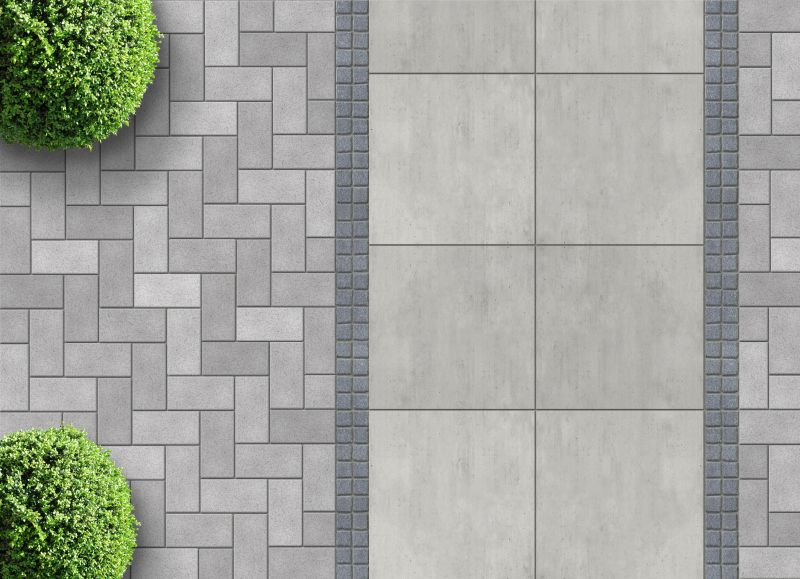
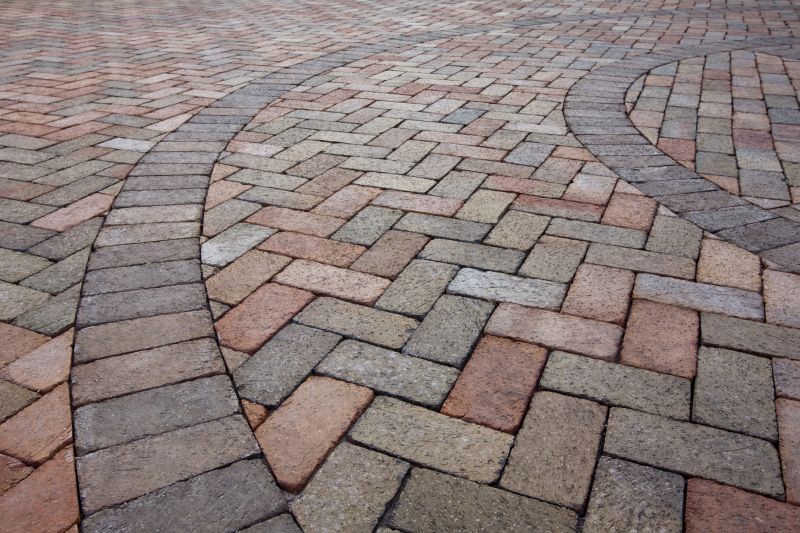
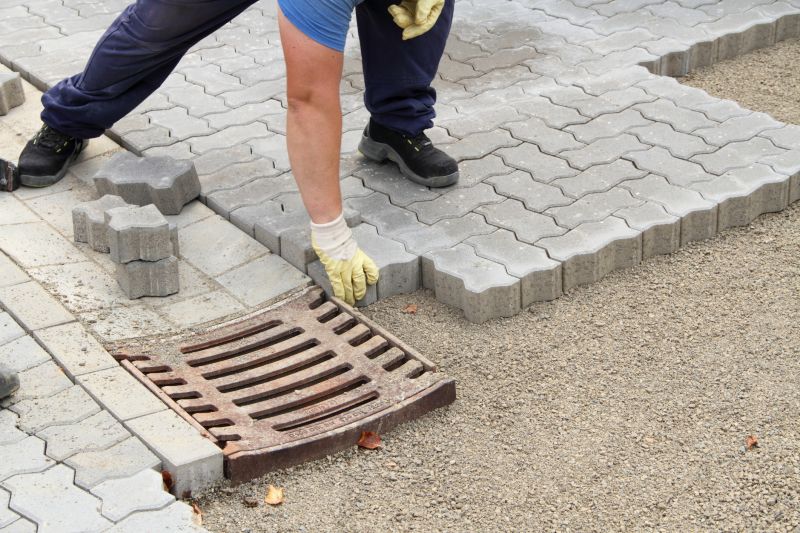
When searching for information about interlocking pavers vs. poured concrete for commercial properties, most people are typically exploring options for enhancing outdoor spaces such as parking lots, walkways, patios, or driveways. The focus often revolves around durability, appearance, and long-term maintenance, especially in high-traffic areas. Commercial property owners or managers may be considering these materials as part of a larger project to improve curb appeal, ensure safety, or accommodate specific functional needs. Understanding the differences between these two materials helps property owners make informed decisions that align with their project goals and operational requirements.
These topics are closely related to various planning and problem-solving scenarios. For example, property owners might need to decide which material withstands frequent use without cracking or shifting, or which option offers easier repairs down the line. Projects may also involve addressing drainage concerns, aesthetic preferences, or the need for a surface that can be customized with patterns and colors. In many cases, the choice between interlocking pavers and poured concrete impacts the overall lifespan of the installation, the costs involved, and the level of ongoing maintenance required. Local service providers specializing in interlocking pavers installation can help evaluate these factors and recommend the best approach for each specific property.
Commercial properties that typically come up in discussions about this topic include retail centers, office complexes, industrial facilities, and multifamily housing developments. These properties often require durable, functional surfaces capable of handling heavy vehicle traffic and frequent foot traffic. Parking lots and driveways are common areas where the decision between interlocking pavers and poured concrete becomes crucial. Additionally, landscaped walkways and outdoor patios are frequent considerations, especially when aesthetic appeal is a priority. Local contractors experienced in interlocking pavers installation can provide insights into how each material performs in these settings, helping property owners select the most suitable solution for their needs.
Choosing between interlocking pavers and poured concrete for commercial properties involves understanding how each material aligns with project goals and site conditions. Interlocking pavers are known for their flexibility and ease of repair, making them a popular choice for areas prone to shifting or cracking. Poured concrete, on the other hand, offers a seamless surface that can be poured quickly and customized with various finishes. Local pros specializing in interlocking pavers installation are well-equipped to assess site-specific factors such as load requirements, drainage, and aesthetic preferences. They can guide property owners toward the material that best balances durability, appearance, and long-term maintenance, ensuring the outdoor surfaces meet the functional needs of the commercial space.
Parking Lot Resurfacing - contractors experienced in parking lot resurfacing often work with similar tools and planning methods used in interlocking pavers and poured concrete installations for commercial properties.
Sidewalk and Walkway Construction - local service providers skilled in creating durable walkways can apply comparable techniques for installing interlocking pavers or poured concrete surfaces in commercial settings.
Outdoor Plaza and Pedestrian Area Projects - designing and installing large-scale pedestrian zones requires planning and skills that align with those needed for interlocking pavers versus poured concrete choices.
Landscape Hardscape Installations - professionals handling patios, plazas, or landscaped areas often utilize similar tools and planning approaches as those used for commercial paving projects.
Driveway and Entranceway Paving - local contractors experienced in driveway paving can adapt their skills to install interlocking pavers or poured concrete for high-traffic commercial entrances.
Retaining Wall and Border Construction - building retaining walls or borders involves planning and techniques that complement the installation of interlocking pavers and poured concrete surfaces in commercial properties.
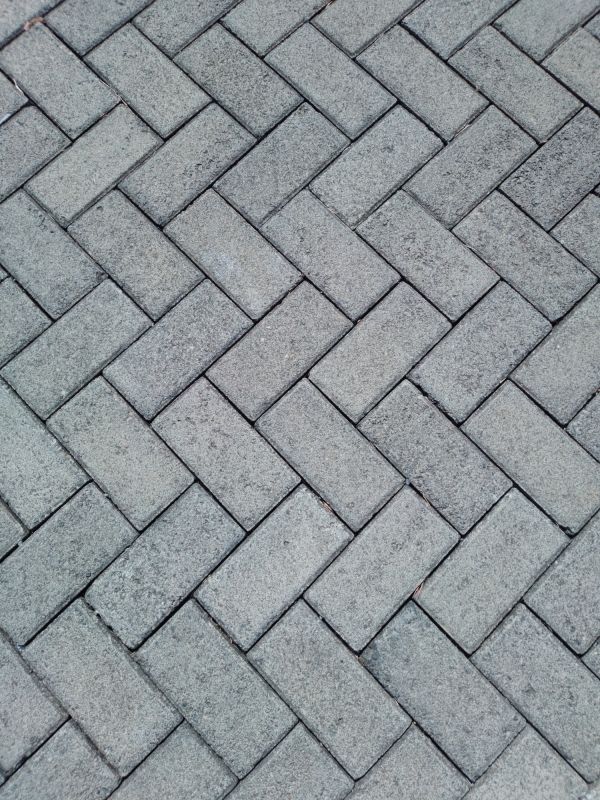
When comparing local contractors for interlocking pavers installation versus poured concrete for commercial properties, it is important to consider their experience with similar projects. Homeowners should inquire about the types of commercial installations they have completed and ask for examples or references related to interlocking pavers or poured concrete work. A contractor’s familiarity with the specific demands of commercial settings can influence the durability, appearance, and overall success of the project. Ensuring that a service provider has a solid track record with comparable work helps to establish confidence in their ability to meet the unique needs of a commercial property.
Clear written expectations are essential when evaluating potential service providers. Homeowners should seek detailed proposals that outline the scope of work, materials to be used, project timelines, and any warranties or guarantees offered. Having these details in writing helps prevent misunderstandings and provides a benchmark for comparing different contractors. It also encourages transparency and accountability, making it easier to assess whether a contractor’s approach aligns with the goals for the project, whether it involves interlocking pavers or poured concrete installations.
Reputable references and effective communication are key factors in choosing the right local contractor. Homeowners should ask for references from previous commercial clients who can speak to the quality of work, professionalism, and adherence to deadlines. Good communication throughout the process ensures that questions are answered promptly and concerns are addressed early, leading to a smoother project experience. Ultimately, working with a contractor known for clear communication and positive references can help ensure the chosen interlocking pavers installation services or poured concrete work are completed to satisfaction and meet the specific requirements of a commercial property.
Property owners often search for interlocking pavers vs. poured concrete for commercial properties when they are planning practical projects around their homes and businesses. Local pros provide Interlocking Pavers Installation services for everyday jobs and straightforward project options.
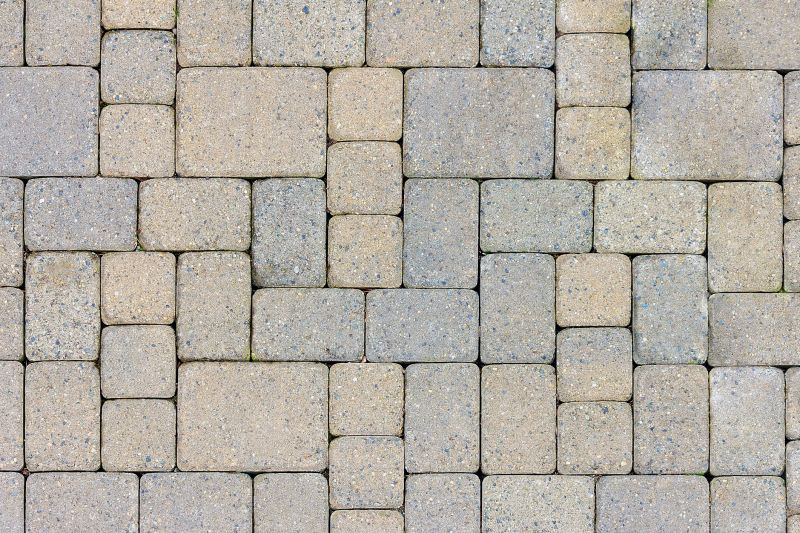
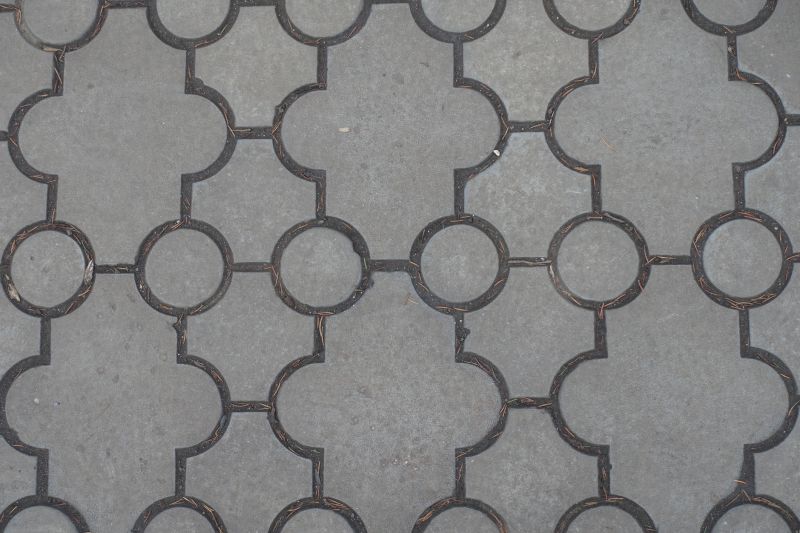
When considering surface options for commercial properties, property owners often weigh the benefits of interlocking pavers versus poured concrete. Interlocking pavers are popular for their durability and ease of repair, making them suitable for high-traffic areas like walkways, plazas, and parking lots. Property owners might explore installation services to achieve a visually appealing surface that can handle frequent use without cracking or uneven settling, which are common concerns with poured concrete.
On the other hand, poured concrete offers a smooth, seamless finish that can be ideal for large open spaces and areas where a sleek appearance is desired. However, it can be more susceptible to cracking over time, especially in regions with temperature fluctuations. Local contractors experienced in interlocking pavers installation can help property owners assess which option best aligns with their needs, providing solutions that balance aesthetics, longevity, and maintenance considerations for commercial settings.
How does durability compare between interlocking pavers and poured concrete for commercial properties? Interlocking pavers are highly durable and resistant to cracking, making them suitable for high-traffic areas, while poured concrete can develop cracks over time but offers a smooth surface that is easy to maintain. Local contractors can assess the specific needs of a commercial property to recommend the most durable option.
What are the maintenance differences between interlocking pavers and poured concrete? Interlocking pavers generally require less maintenance and can be easily replaced if damaged, whereas poured concrete may need repairs or resurfacing over time. Service providers can advise on the ongoing upkeep for each material based on the property's usage.
Can interlocking pavers be customized to match a commercial property's aesthetic? Yes, interlocking pavers come in various colors, shapes, and patterns, allowing for customization that can complement a property's design. Local installation experts can help select and install options that align with the desired aesthetic.
Are interlocking pavers or poured concrete better for areas with heavy load or vehicle traffic? Interlocking pavers are often preferred for heavy load areas because they distribute weight evenly and resist shifting, while poured concrete may crack under excessive pressure. Local pros can evaluate the specific load requirements to recommend the best solution.
How do installation processes differ between interlocking pavers and poured concrete for commercial properties? Interlocking pavers require a base layer and precise placement, which can be more labor-intensive but allows for easier repairs, whereas poured concrete involves pouring and curing a continuous slab. Local contractors can provide insights into the installation process suited to each material.
Durability considerations - Property owners can evaluate the long-term wear and tear of interlocking pavers versus poured concrete to choose the best option for high-traffic commercial areas with the help of local contractors.
Design flexibility - Using interlocking pavers allows for creative patterns and easy replacements, which local service providers can incorporate into customized commercial paving projects.
Installation complexity - Property owners might consider the installation process and site preparation needs, with local pros guiding them on the most practical approach for their specific commercial space.
Maintenance requirements - Understanding ongoing upkeep, such as sealing or repairs, can influence the decision between interlocking pavers and poured concrete, with local contractors providing tailored advice.
If you are thinking about interlocking pavers vs. poured concrete for commercial properties for a property, this guide is meant to help you understand this topic, the typical project types, and how different options might fit your plans.
When you are ready, you can use the quote form on this page to share a few details about your project. From there, local pros can review the basics and follow up with options that match what you have in mind.